The $5 Break: What Onigiri Culture Gets Right About Eating Between Shifts
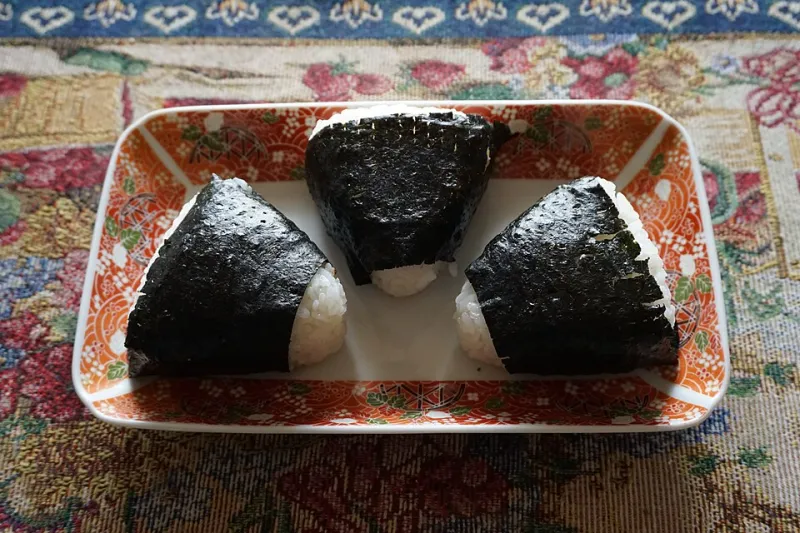
Photo: 些細な日常, CC BY-SA 4.0, via Wikimedia Commons
It's 2:47 PM at the coffee shop. Your break is fifteen minutes. The options: the $9 sad desk salad from the place next door, a granola bar from your bag, or whatever's in the pastry case at 50% off. You've got twelve dollars to your name until Friday.
In Japan, this exact scenario plays out a million times a day—and it looks completely different. Part-time workers, students juggling classes and shifts, the whole arubaito ecosystem: they duck into a konbini, grab an onigiri and a cup of miso soup, and eat a legitimately balanced meal for about 500 yen. That's under four bucks. In five minutes. Without feeling like garbage afterward.
There's a lesson here for American hourly workers, and it's not just about rice balls.
The Break Meal Is a Skill, Not an Afterthought
In Japan, the convenience store meal isn't a concession—it's a category with craft behind it. Onigiri are portioned, wrapped to keep the nori crisp, and built around a protein or pickle filling. Add a side of edamame or a boiled egg and you've got carbs, protein, and something green. The whole system assumes that a person on a thirty-minute lunch break deserves food that works.
Meanwhile, the default American shift meal is whatever's fastest: fast food value menu, employee meal discounts (which are usually the least healthy item on the menu), or nothing at all until the shakes kick in around hour five. A 2022 survey found that a huge chunk of food service workers skip meals entirely on shift days. That's not a food problem. It's a planning problem.
The Konbini Formula, Translated to an American Grocery Store
You don't need a 7-Eleven in Tokyo for this. The formula is: one handheld carb + one protein + one produce item + something warm, and the whole thing clocks in under five dollars. Here's what that looks like at a regular US grocery store:
The Classic Combo — A banana or apple ($0.60), a single-serve cup of tuna or chicken salad ($1.50), and instant miso or a cup of soup from the hot case (~$2). Total: around $4.
The Rice Bowl Shortcut — Many grocery stores with hot bars sell small containers of plain rice for under $2. Pair it with a hard-boiled egg pack (~$1.50) and soy sauce packets from the condiment station. Congratulations, you built a DIY onigiri bowl.
The Frozen Playbook — Frozen gyoza or dumplings in bulk run about $0.20 a piece. Steam a batch Sunday night, pack six with a squeeze bottle of soy sauce. Break meal for the week: roughly $1.50 per shift.
The Bodega Special — Two eggs, bread, and a piece of fruit. If you've got a break room microwave, this is a three-minute egg sandwich that costs less than a dollar.
Meal Prep, But for People Who Hate Meal Prep
The Japanese approach isn't batch-cooking twenty identical containers. It's component thinking. Keep a shelf stocked with mix-and-match parts: rice or bread base, protein singles (eggs, tuna packs, tofu), shelf-stable produce (mandarins, baby carrots), and one warm thing.
Ten minutes of Sunday shopping beats two hours of Sunday cooking. That's the konbini spirit—assembly, not culinary ambition.
Why This Actually Matters for Your Job
Here's the part nobody puts in the training manual: your break meal directly affects your shift. Blood sugar crashes at hour four of a register shift are real. A meal built around protein and slow carbs instead of pastry-case sugar keeps you sharper through the dinner rush, friendlier to customers, and less likely to make the kind of mistakes that show up in your next performance review.
Think of it as career skills hiding in a rice ball. The workers who treat their breaks like refueling stops—deliberate, cheap, balanced—are the ones still standing at the end of a double.
Start Tomorrow
Tonight, spend fifteen dollars at the grocery store. Rice or bread base, three proteins, two produce items, one warm thing. Put it all in a bag by the door. Tomorrow's break, you eat like someone who planned ahead—because you did.
The konbini onigiri isn't magic. It's just a system built on the radical idea that a person with fifteen minutes and five dollars deserves a real meal. Steal that idea. Your 2:47 PM self will thank you.