Three Interviews Tell You Nothing: The Case for the Paid Trial Shift
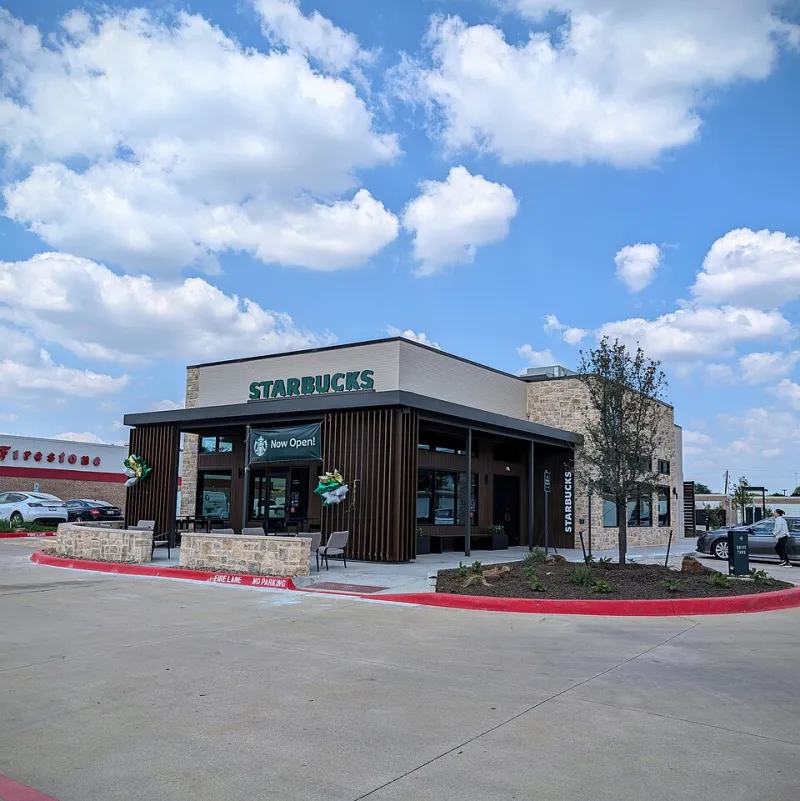
Photo: Steve Rainwater from Irving, US, CC BY-SA 2.0, via Wikimedia Commons
You can read a job posting. You can survive two rounds of interviews. You can even get a warm feeling from the hiring manager's firm handshake. None of it tells you what it's actually like to stand at that register during the Saturday dinner rush with a broken card reader and a manager who's "in the back."
For that, you need a shift.
Japan has known this for decades. It's called taiken koyō—literally "experience employment"—and it's baked into how a huge chunk of the hourly economy works. Convenience stores, izakayas, warehouse gigs: plenty of them offer a paid trial day where you show up, do the actual work, and both sides decide whether it's a match. No commitment. No awkward quitting two weeks later. Just data.
The good news for American job seekers? This model is quietly spreading here, and if you know how to ask for it, you can use it too.
What a Trial Shift Actually Looks Like in the US
It goes by a few names: working interview, paid orientation shift, trial day. The setup is usually the same—you come in for two to four hours, get paid (often at the standard hourly rate, sometimes slightly reduced depending on state law), and do a realistic slice of the job. Ring up orders at a cafe. Bus tables at a restaurant. Stock shelves and pull inventory at a grocery store.
Some chains formalize it. Plenty of independent restaurants run working interviews as standard practice for kitchen and floor staff. And the rise of shift-based gig apps—where you can pick up single shifts at businesses you've never worked for—has created a weird side effect: workers are increasingly able to try before they sign anything, even when employers didn't intend it that way.
The one non-negotiable: it should be paid. A "trial shift" where they ask you to work for free isn't a tradition—it's a labor law problem in most states. If someone asks you to work unpaid "just to see if it's a fit," that's your answer about the fit.
How to Ask Without Sounding Difficult
Here's the fear: you don't want to seem like the high-maintenance candidate who needs a test drive before deigning to work. Fair. The fix is in the framing.
Don't say: "I'd like to try it out first and see if I like it."
Do say: "I'm really interested in this role. Would you be open to a paid working interview or a trial shift so we can both make sure it's the right fit?"
Notice what that does. It's a mutual benefit, not a personal demand. It signals you're serious about getting it right. And hiring managers in food service and retail hear this constantly—many of them did trial shifts themselves. You're not asking for a favor; you're speaking their language.
If they say no? That's information too. Some workplaces just don't have the scheduling flexibility for it, which is fine. But a flat "no, just trust us" from a place with a revolving-door hiring page tells you something different than a scheduling conflict does.
What One Shift Reveals That Three Interviews Can't
Here's the part that makes the trial shift worth arranging: interviews are performances by both parties. The employer shows you their best conference-room self. You show up in your most agreeable outfit, nodding at every question. Everyone's lying a little, mostly by omission.
A single shift cuts through that. In four hours you'll learn:
- How the manager actually behaves under pressure. The polite interviewer and the person barking orders mid-rush are sometimes not the same person.
- Whether the schedule is real. Ask the current staff when they actually clock out. Compare that to what the posting said.
- Who you'd actually be working with. Chemistry with coworkers is 80% of whether an hourly job is livable. You can't interview for that.
- The break situation. Do people take them? Are they paid? Is there a break room that isn't a storage closet?
- Your own honest reaction. Some jobs sound fine in the abstract and drain you by hour two. Better to learn that on a Tuesday than in week six.
Think of it like test-driving a car, except the car has a personality, a schedule, and a group chat.
The Trial Shift Works Both Ways
One more thing worth saying: when you show up for a working interview, you're also being evaluated. Show up ten minutes early, dress like you read the dress code twice, ask a couple of genuine questions, and work like someone who wants the shift to go well—even if you're not sure you want the job.
Because here's the hidden upside of the whole arrangement: even a trial shift that ends with you saying "thanks, but no thanks" leaves a good impression. Retail and restaurant managers move around. They talk. The candidate who did a great trial shift and passed on the job? They get a call when something better opens up. The candidate who ghosted after three interviews? Not so much.
Japan's konbini hiring culture didn't become famously reliable by accident—it got that way by making it easy, fast, and low-risk for both sides to figure out quickly whether a job fits. A paid trial shift is the same idea, just wearing a US name tag.
Your next job interview doesn't have to be a guessing game. Ask for the shift. Get paid for it. Read the room. Then decide.