Cashier at Light Speed: The Hidden Job Training You Get From Konbini-Style Work
Photo: Syced, CC0, via Wikimedia Commons
Ever wonder why someone who's worked a konbini shift in Japan can run a US register on day one without breaking a sweat? It's not magic. It's training. Japanese convenience stores—7-Eleven, Lawson, FamilyMart—run some of the tightest retail operations on the planet, and the habits you build there transfer straight to American part-time work. If you're hunting hourly gigs on ARUBAITO, here's why konbini-style hustle is the ultimate prep course.
What a Konbini Shift Actually Looks Like
Picture this: it's 7 a.m., the morning rush is rolling in, and you're cycling through greeting every customer, scanning items, warming bentos, restocking onigiri, and handling a bill payment kiosk—all within the same five minutes. Konbini shifts are typically short and intense, often three to eight hours, with zero downtime baked in.
The store itself runs like a machine. Everything has a place, expiration labels face forward, and the fried food case gets refreshed on a schedule. You're not just standing at a register; you're constantly rotating through tasks. Sound exhausting? Sure. But it builds a work ethic that US employers notice immediately.
Omotenashi: The Service Standard That Sets You Apart
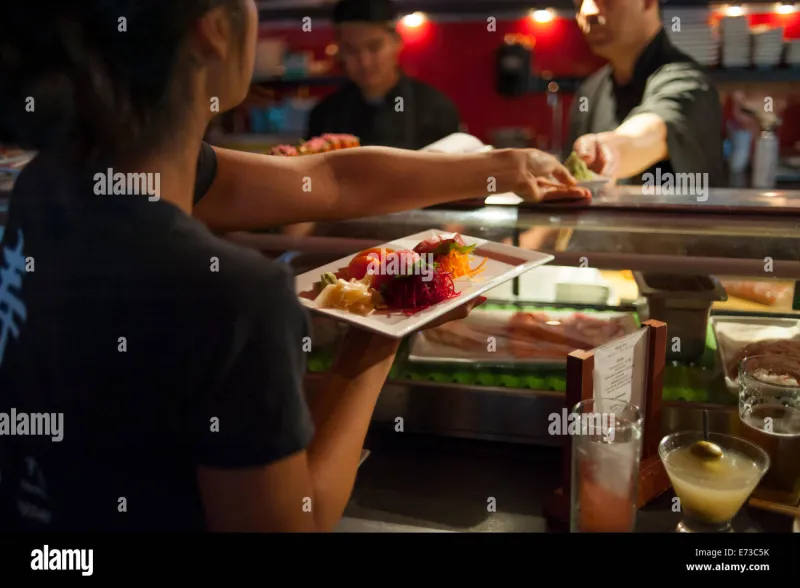
There's a Japanese word—omotenashi—that roughly means anticipating what a customer needs before they ask. At a konbini, that means a warm greeting at the door, two-handed transactions, and offering to heat up food or double-bag without being prompted.
Now translate that to a US setting. The barista who remembers your oat milk order? The boba shop employee who starts your drink when you walk in? That's omotenashi in action, and it's rare enough to make you the employee managers fight to schedule. In the American service industry, where a genuine "have a good one" can feel revolutionary, this mindset is a superpower.
Why US Employers Love Konbini-Style Workers
The skills translate across borders more than you'd think. Here's a quick listicle of "konbini skills" that hiring managers at ramen spots, bubble tea cafés, and 24-hour marts eat up:
- Register mastery in a day. Konbini registers handle everything from utility payments to package pickups. Once you've navigated that, a standard US POS system feels like a toy.
- Memorizing regulars' orders. In Japan, staff often know the neighborhood regular's cigarette brand and usual coffee. At a busy boba shop, remembering that one customer's 50% sugar, extra boba order builds loyalty faster than any punch card.
- Speed with accuracy. Konbini culture prizes fast, error-free transactions—no "one or the other." That balance is exactly what a lunch-rush ramen counter needs.
- Precision restocking. Facing products, rotating stock, keeping the hot case fresh—these details are why some shelves look magazine-ready and others look abandoned.
- Grace under repetition. Doing the same fifty tasks in rotation, every shift, without phoning it in? That's a muscle most entry-level workers never build.
Where to Use These Skills in the US
The American food and retail scene has its own version of the konbini hustle, and it's hiring:
- Boba and tea shops: Fast ticket times, custom orders, and a steady stream of students. Your register speed and order accuracy shine here.
- Ramen and izakaya-style restaurants: Even front-of-house roles reward the omotenashi mindset—attentive, unobtrusive service.
- 24-hour convenience stores and marts: Yes, the US has its own overnight konbini cousins, and overnight shifts pay more precisely because they demand self-sufficiency.
- Grocery delis and hot food counters: Timed cooking, food safety, and constant customer interaction—basically a konbini kitchen with wider aisles.
How to Sell It in an Interview
Don't just say you're a hard worker—frame it. Instead of "I worked at a convenience store," try: "I ran solo shifts handling register, food prep, and stocking, usually serving a customer every 30 seconds during rush." Numbers and specifics land. Mention that you can memorize a menu fast, that you greet every customer, and that you don't need someone hovering to stay productive.
The Bottom Line
A konbini shift teaches you the one thing no résumé bullet can fake: how to move with purpose. Whether your next gig is pouring brown sugar milk tea or working the overnight register at a 24-hour mart, the training is the same—be fast, be precise, be genuinely nice. Employers notice. Customers tip better. And you? You'll never dread a rush hour again.