Taiyaki, Boba, and the Matcha Takeover: Inside America's Japanese Food Stall Boom
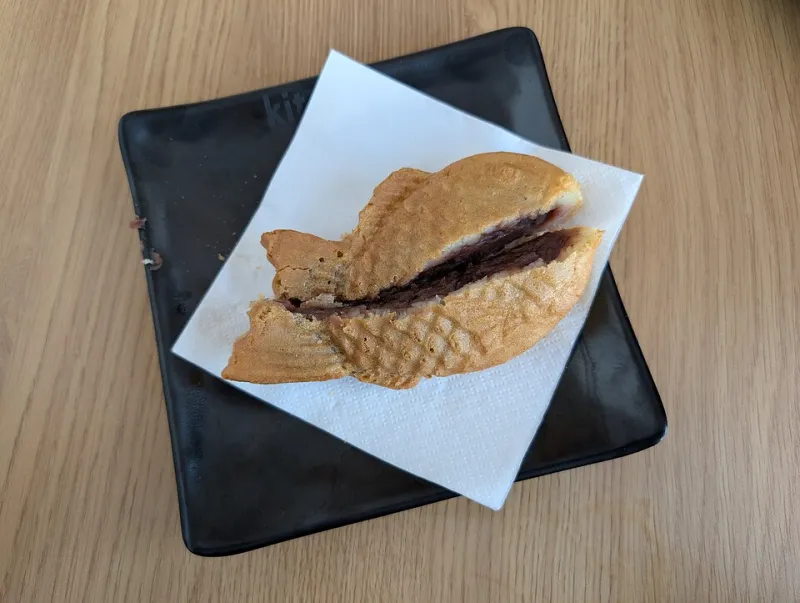
Photo: Andy Li, CC0, via Wikimedia Commons
Walk through a mall food court in Los Angeles, Houston, or New Jersey lately and you'll notice something: between the pizza slices and the orange chicken, there's a stall selling fish-shaped pastries filled with custard. Next to it, a counter pouring iced matcha lattes with more precision than most coffee shops. A few doors down, a katsu sandwich window with a line.
Japanese-style food counters are quietly one of the fastest-growing segments of the American mall and food hall economy—and they're creating a steady stream of hourly jobs along the way.
What's Actually Booming
The trend goes by different names depending on where you are, but the lineup is consistent:
- Taiyaki and imagawayaki — those fish-shaped filled pancakes, often stuffed with red bean, custard, or Nutella, topped with soft serve
- Matcha-focused cafés — dedicated matcha bars selling lattes, soft serve, and ceremonial-grade drinks
- Japanese comfort food stalls — karaage, takoyaki, katsu sando, onigiri
- Boba and dessert hybrids — technically Taiwanese, but frequently sharing menus and staffing models with Japanese-style stalls
The logic behind the growth is simple. These concepts are visually distinctive (great for social media), the equipment footprint is small, and the menus are tight—meaning a two-to-four-person crew can run an entire operation. That makes them ideal for mall operators looking to fill small kiosk and inline spaces.
The Jobs Behind the Counter
Here's where it gets interesting for job seekers. These stalls typically run lean crews, which means the roles are clearly defined and hiring is frequent:
Counter staff / cashier ($15–$19/hour in most metros). Order taking, drink assembly, and keeping the line moving. If the stall has a soft-serve or latte program, expect some drink-making training.
Prep cook / pastry assistant ($16–$21/hour). Taiyaki batter, fillings, karaage frying, rice cooking. Small kitchens mean you'll touch more of the process than you would at a big chain.
Shift lead ($18–$24/hour). Opening and closing, inventory, cash handling. Often promoted from within within months.
Many stalls also offer tips, especially in food halls with shared tip pools, and shift meals are standard.
Why It's a Sneaky Good Career Move
On paper, a taiyaki stall looks like just another mall job. Look closer and it's one of the most concentrated training environments in food service:
- You learn a real craft. Batter consistency, frying temps, matcha whisking—these are transferable culinary skills, not just button-pushing.
- You see the whole business. Small operations mean you'll watch food costs, vendor orders, and daily sales numbers whether you mean to or not. That's business literacy most entry-level jobs never expose you to.
- Fast advancement. When a crew is three people, becoming the most reliable one makes you essential quickly. Shift leads at 19 are not uncommon in this world.
- **A story that travels. "I helped open a matcha bar" plays remarkably well in later interviews—whether you're heading toward culinary school, restaurant management, or opening your own stall someday.
Where to Find These Jobs
They rarely show up under obvious titles. Search for:
- "food hall crew member" or "kiosk staff" in your city
- "Japanese café" or "matcha" on job boards—small operators often list there
- Walk your local mall's food court. "Now Hiring" signage is still the dominant recruiting tool in this space
- Check Instagram. Many of these stalls are run by young owners who post hiring stories before they post job listings
The Bottom Line
The oishii economy—delicious, as the Japanese say—isn't just changing what America eats at the mall. It's changing who gets hired, how fast they get trained, and how quickly they can level up. For anyone looking for hourly work with an actual skill attached, the fish-shaped pastry window might be the most underrated job in the building.