Packed at Night, On Time by Morning: The Bento Habit That Predicts How You Show Up
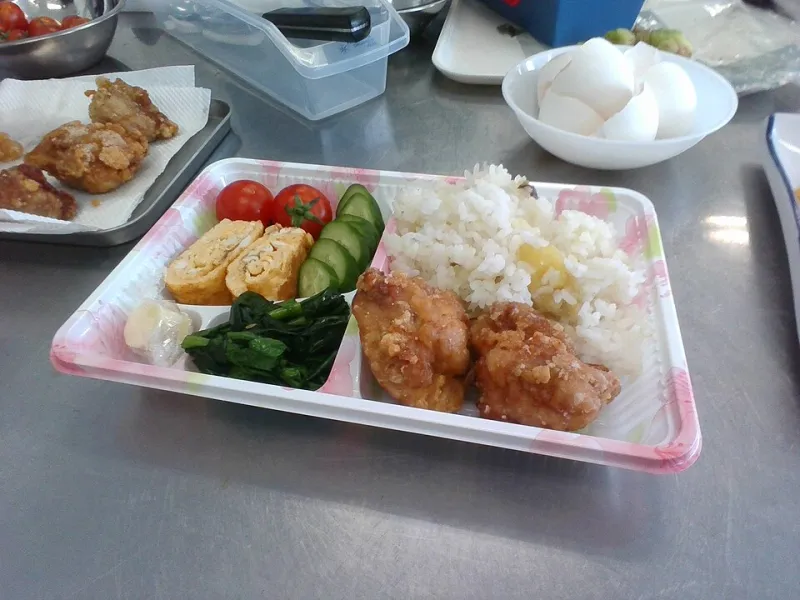
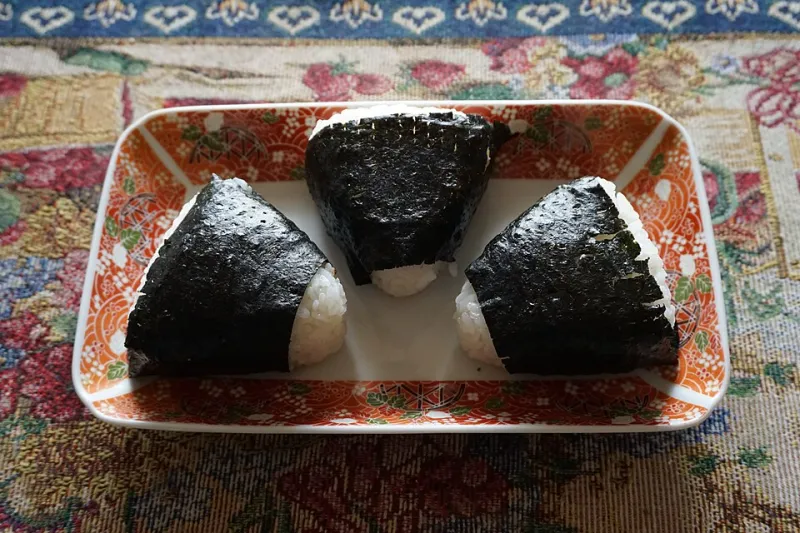
Photo: MassaWikiniki, CC0, via Wikimedia Commons
Walk into any konbini in Tokyo at 6 AM and you'll see a particular kind of person: the hourly worker, grabbing a fresh onigiri and a canned coffee before catching the train. Walk into the break room of any American retail store at lunch and you'll see another kind: someone staring into the fridge, wondering if yesterday's half-eaten Chipotle counts as a meal.
Neither is wrong. But one of them costs way more money, and—fair or not—sends a quieter message about how you run your life. Let's talk about the bento.
The Lunchbox as a Mirror
In Japan, bringing a homemade bento to a part-time job is completely normal. Students do it. Fifty-something warehouse workers do it. The bento doesn't have to be beautiful—plenty are just rice, a protein, some frozen vegetables, done in ten minutes the night before.
What matters is what the habit represents. Packing a lunch requires three things hourly jobs run on: thinking ahead, following through, and not defaulting to whatever's easiest in the moment. Sound familiar? Those are exactly the traits managers quietly screen for when they decide who gets more shifts.
Nobody's saying your manager is inspecting your Tupperware. But reliability leaks into everything. The person who plans tomorrow's lunch is often the person who plans tomorrow's commute, tomorrow's uniform, tomorrow's everything. The person who grabs a $14 DoorDash order at 11:45 PM is often making that call for the third time this week—and wondering where the paycheck went.
Do the Math on Your Lunch Break
Let's be concrete. If you work 25 hours a week and buy lunch near your shift even three times, you're likely spending $30–45 weekly on food you'd barely remember. That's $1,500–$2,300 a year—roughly a month's rent in a lot of mid-size American cities, or a decent emergency fund started from scratch.
A homemade lunch, built from groceries you'd buy anyway, usually lands between $2 and $4. The gap is real money, and unlike a raise, it's money you control completely.
The Five-Minute Bento, American Edition
You don't need a lacquered box or an egg mold. Here's the low-effort version that survives a real schedule:
- Sunday, cook once. A pot of rice, a tray of chicken thighs or baked tofu, whatever frozen veg is on sale. Thirty minutes covers four lunches.
- Pack the night before. Morning-you is not a reliable employee. Night-you is. Assemble while dinner leftovers are already out.
- Think in compartments, not recipes. Carb + protein + something green. A $4 bento box from Target or a repurposed deli container works fine.
- Keep a backup shelf. Instant miso, cup ramen, peanut butter crackers. The habit fails when the fridge is empty—so make sure it's never empty.
- Leave one buy-out day. Friday, treat yourself. A habit you can sustain beats a rule you break by Wednesday.
Small Habit, Loud Signal
Here's the honest framing: the bento doesn't make you a better worker. It just tends to show up in the same lives as the skills that do. Budgeting, prep, showing up with a plan—these travel together, and lunch is the easiest place to start practicing them.
So tonight, before your next shift, spend five minutes with a container and some leftovers. Your wallet will notice. And whether anyone says it out loud or not, so will the person deciding who gets the good schedule next month.