Night Shift Money: Who's Really Working 2 AM (and Why It Pays Better)
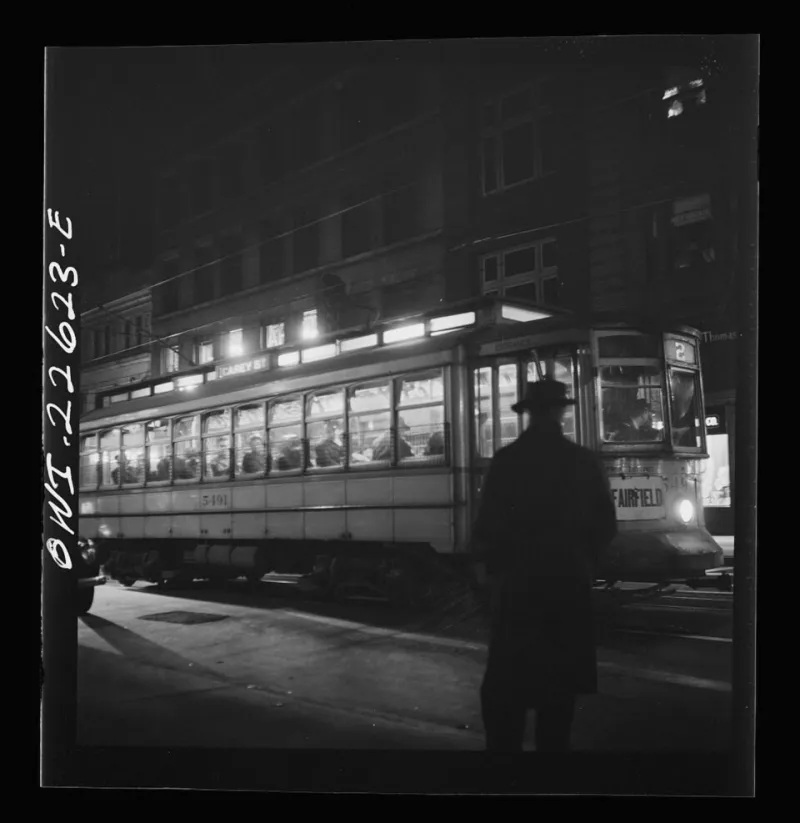
Photo: Marjory Collins, Public domain, via Wikimedia Commons
There's a moment around 1:45 AM when the world gets quiet. Traffic thins out, group chats go dark, and a small army of people clocks in—warehouse pickers, hotel front desk agents, bakers prepping for the morning rush. They're not doing it for the vibes. They're doing it because the overnight shift pays more.
How much more? Typically 10% to 30% above the day rate, depending on the employer and the market. In a tight labor economy, some warehouses and distribution centers are pushing the premium even higher just to keep the graveyard crew staffed. If you're hunting for hourly work and can hack a weird sleep schedule, that difference adds up fast.
Why the Premium Exists
Call it danger pay for the modern era. No one's facing actual danger, but the body's clock doesn't care about your paycheck—working nights is linked to worse sleep, sketchier eating habits, and a social life that runs on a different timezone than everyone else's. Employers know this, and they know most people simply won't take the shift voluntarily. The premium is a bribe, plain and simple.
It's also basic supply and demand. Daytime shifts get flooded with applicants. Post midnight? Companies are often begging. That's leverage, and smart workers use it.
Who's Actually Working the Graveyard
The stereotype is the struggling insomniac. The reality is more interesting:
- Students who'd rather study between tasks than compete for weekend retail hours
- Parents trading the night shift with a partner so one of them is always home with the kids
- Side-hustlers stacking a night gig on top of a day job or freelance work
- Night owls who genuinely function better after dark and know it
We talked to a few of them. Marcus, 24, works overnight fulfillment at a regional distribution center outside Columbus. "The differential is like $3.50 an hour," he says. "Over a year that's a used car. I sleep from noon to seven, hit the gym, then clock in. It's not glamorous but my savings account doesn't care."
Priya, a grad student in Arizona, works hotel front desk overnight. "My shift is dead between 2 and 5 AM. I finished my thesis applications at work. Try doing that on a lunch rush."
The Gigs That Pay the Night Premium
Not every overnight job pays extra—some just pay the same and hope you don't notice. Here's where the money actually shows up:
- Warehouse and fulfillment picking — often $2–$5/hr differential, plus shift-flexibility that students love
- Hospital and care facility support roles — dietary aides, transporters, front desk; healthcare almost always pays the differential
- Overnight grocery stocking — quieter stores, no customers, modest premium
- Hotel front desk and audit — the classic "get paid to do homework" gig
- Late-night food prep and baking — you're prepping for the morning, premium varies
- Security and concierge posts — calm buildings, decent differentials
- Shipping hub sorting (air cargo especially) — night operations are the core of the business, so the pay reflects it
The Math: Is It Worth It?
Run your own numbers. Take the differential and multiply it across your hours. A $3/hr bump on a 25-hour week is about $3,900 a year before taxes—real money on a part-time budget.
But be honest about the costs. Chronic sleep debt is real, and some people never adjust no matter how disciplined they are. Social plans, family dinners, and daylight itself all become scheduling puzzles. If you can protect your sleep window—blackout curtains, consistent schedule, no "just one quick thing" at 11 AM—the trade can genuinely work.
The verdict: if you're young, flexible, or already nocturnal, the 2 AM shift is one of the few places hourly work hands you a raise for showing up at an inconvenient time. In this economy, take the inconvenient money.